
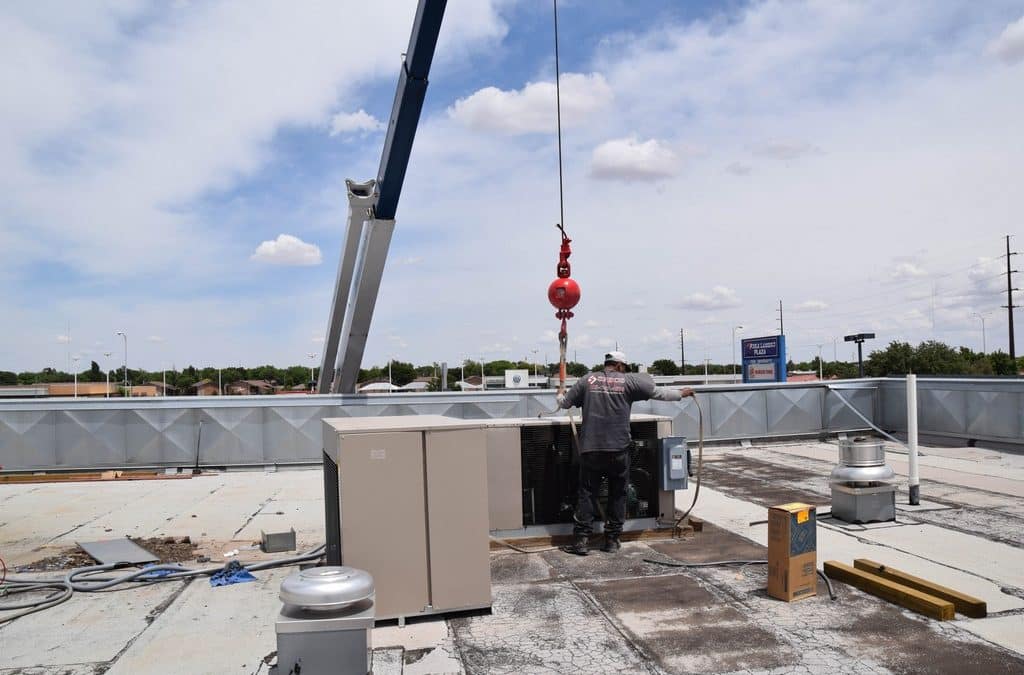
When evaluating factors that drive academic performance, attention naturally turns to curriculum design, teacher-to-student ratios, textbook quality, and classroom technology. However, an invisible variable heavily influences daily student engagement, cognitive performance, and overall attendance: the indoor air quality and thermal comfort of the classroom.
Modern educational facilities demand more than simple heating and cooling. As research increasingly links poor ventilation to reduced test performance, fatigue, and higher absence rates, upgrading to modern HVAC technology has become an essential strategy for schools, universities, and educational campuses.
Here is a closer look at how advanced commercial HVAC systems transform the learning environment and why optimized air quality yields measurable academic results.
1. Temperature Control and Cognitive Focus
It is nearly impossible for students to concentrate on complex math problems or reading comprehension in a room that is uncomfortably hot or freezing cold.
When body temperature rises above comfortable levels, the human brain expends significant energy attempting to cool down, leading to lethargy, reduced attention spans, and irritability. Conversely, overly chilled environments cause restlessness and distraction.
-
The Academic Impact: Studies show that students perform better on standardized testing and daily coursework when classrooms are maintained within an optimal temperature range of 68°F to 72°F.
-
The Modern Solution: Variable Refrigerant Flow (VRF) and smart, multi-zone commercial HVAC systems allow facility managers and instructors to control temperatures on a room-by-room basis, adjusting for classroom capacity, sun exposure, and activity levels.
2. Carbon Dioxide ($CO_2$) Management and Mental Clarity
In a crowded classroom with outdated ventilation, carbon dioxide levels spike rapidly as dozens of occupants exhale in a closed space. High $CO_2$ concentrations act as an invisible cognitive drain.
-
The Symptoms: Excess $CO_2$ causes drowsiness, headaches, slow reaction times, and difficulty processing complex information—often mistaken for mid-day fatigue or lack of student motivation.
-
The Modern Solution: Advanced commercial HVAC systems integrate Dedicated Outdoor Air Systems (DOAS) and demand-controlled ventilation (DCV). These units monitor room $CO_2$ levels in real time and automatically introduce fresh, filtered outdoor air to keep cognitive function sharp throughout the school day.
3. Humidity Control, Allergen Filtration, and Healthier Attendance
Excessive humidity breeds mold spores, dust mites, and airborne bacteria, while overly dry air irritates nasal passages and leaves students more susceptible to seasonal viral infections.
Furthermore, poor air filtration circulates pollen, dust, and VOCs (volatile organic compounds) continuously through ductwork, triggering asthma flare-ups and allergy symptoms.
-
The Attendance Link: Chronic respiratory conditions like asthma are among the leading causes of student absenteeism. When students miss school, their academic trajectory slows.
-
The Modern Solution: Modern commercial HVAC designs incorporate targeted humidity management along with high-efficiency MERV-rated filtration and optional UV-C or bipolar ionization air purification technology. Capturing airborne pathogens and allergens keeps both students and educators healthier and in the classroom.
4. Acoustic Comfort: Reducing Mechanical Noise
Older heating and cooling systems often feature loud blowers, clanking ductwork, and noisy compressor cycling.
In elementary classrooms where foundational reading and language acquisition take place, constant background hum forces teachers to strain their voices and makes it difficult for students—especially those with hearing impairments or learning differences—to process speech accurately.
Modern commercial HVAC systems prioritize low-decibel operation through variable-speed fans, insulated duct designs, and strategically placed outdoor condensing units, creating a quiet environment conducive to active listening.
Building a Foundation for Academic Success
Investing in educational infrastructure goes far beyond aesthetics. Upgrading outdated heating, cooling, and ventilation systems directly impacts student health, daily alertness, and long-term academic achievement.
From primary school classrooms to university lecture halls and vocational training labs, modern commercial HVAC technology delivers the clean, temperature-controlled air that minds need to thrive.
Optimize Your Educational Facility’s Air Quality
At SPECS Refrigeration, we specialize in comprehensive commercial HVAC installation, system upgrades, and preventive maintenance plans tailored for educational institutions, commercial facilities, and campus environments across Lubbock and West Texas.
Whether you need to upgrade aging rooftop units, implement smart building climate controls, or improve filtration across your facilities, our certified technicians ensure your systems deliver peak performance year-round.

Recent Comments