
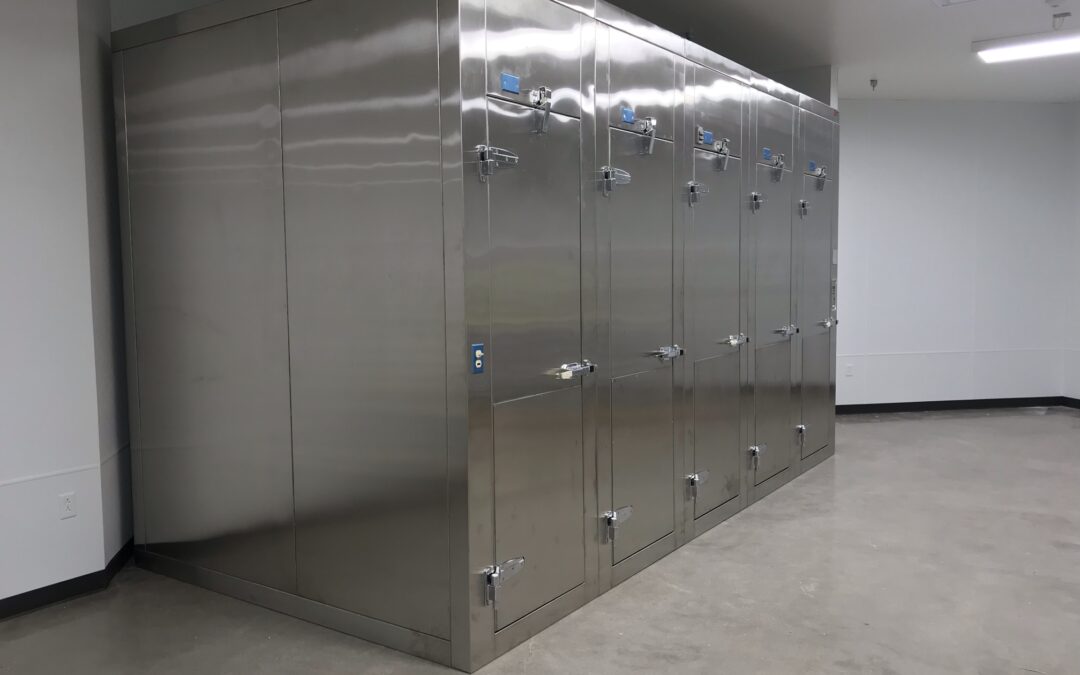
When the final bell rings and campus empties out for summer break, it’s easy to focus on deep cleaning floors and updating menus for the upcoming school year. However, summer is also the most critical window to address the heart of your foodservice operation: your commercial walk-in coolers and freezers.
Leaving a commercial refrigeration system unchecked during a long summer shutdown is a recipe for a stressful, expensive scramble come August. High summer temperatures combined with stagnant equipment can lead to component failure, mold growth, or catastrophic food loss right as the fall semester kicks off.
Taking a proactive approach to summer maintenance ensures your kitchen is reliable, energy-efficient, and ready to handle the rush on day one.
The Ultimate Summer Shutdown Checklist
To keep your walk-ins running efficiently through the heat and prepared for the heavy demands of a new school year, focus on these essential maintenance areas:
1. Coil Cleaning (Condenser and Evaporator)
Over a busy school year, condenser coils accumulate dust, grease, and debris. When these coils are dirty, they can’t dissipate heat effectively, forcing the compressor to work twice as hard.
-
Action: Have a technician thoroughly clean both the outdoor condenser coils and the indoor evaporator coils. This reduces strain on the system, prevents premature compressor failure, and cuts energy costs during the hottest months of the year.
2. Inspect and Replace Door Gaskets
A walk-in is only as good as its seal. Over time, rubber door gaskets can crack, tear, or lose their elasticity, allowing warm, humid kitchen air to seep continuously into the unit. This creates ice buildup on the evaporator coils and drives up internal temperatures.
-
Action: Inspect the entire perimeter of every door seal. If you notice any cracks, hard spots, or sections pulling away, replace them immediately. A tight seal keeps the cold air exactly where it belongs.
3. Check and Clear Condensate Drain Lines
Humid summer air means your system creates more condensation. If the drain lines or pan are clogged with algae, slime, or debris, that water has nowhere to go but onto your kitchen floor or, worse, inside the unit itself—creating a severe slip hazard and a breeding ground for mold.
-
Action: Flush and sanitize the drain lines to ensure smooth, uninterrupted water flow. Technicians should also verify that drain line heaters in freezer units are operating correctly to prevent water from freezing inside the pipe.
4. Verify Electrical and Mechanical Components
Fluctuating summer power grids and standard wear-and-tear can loosen electrical connections or degrade vital mechanical parts over time.
-
Action: A professional technician should check all electrical contactors, tighten loose terminals, test fan motors for smooth operation, and measure compressor amp draw to catch potential failures before they happen.
5. Monitor Temperature and Calibration
Thermometers can drift over time, giving inaccurate readings that put food safety at risk.
-
Action: Calibrate all internal and external thermometers. Ensure that the system is maintaining safe, steady temperatures (typically 35°F to 38°F for coolers, and 0°F or lower for freezers) before restocking any inventory.
Pro Tip: If You Plan to Turn Units Off
If your facility shuts down entirely over the summer and you plan to unplug or turn off your walk-in units to save energy, never just shut the door.
An enclosed, dark, unpowered walk-in will quickly trap moisture, leading to extensive mold and mildew growth that can ruin the interior panels and shelves. If a unit is turned off, deep clean the interior, dry it completely, and prop the doors wide open for the duration of the break to allow continuous airflow.
Don’t Wait for the August Rush
Every school, university, and commercial kitchen in the region will be trying to schedule service calls the week before classes resume. Beat the rush, secure your preferred service time, and gain total peace of mind by tackling your refrigeration maintenance early in the summer.
Ready to schedule your summer maintenance check? Contact the team at Specs Refrigeration today to ensure your kitchen is fully prepared for a successful, stress-free fall semester.

Recent Comments